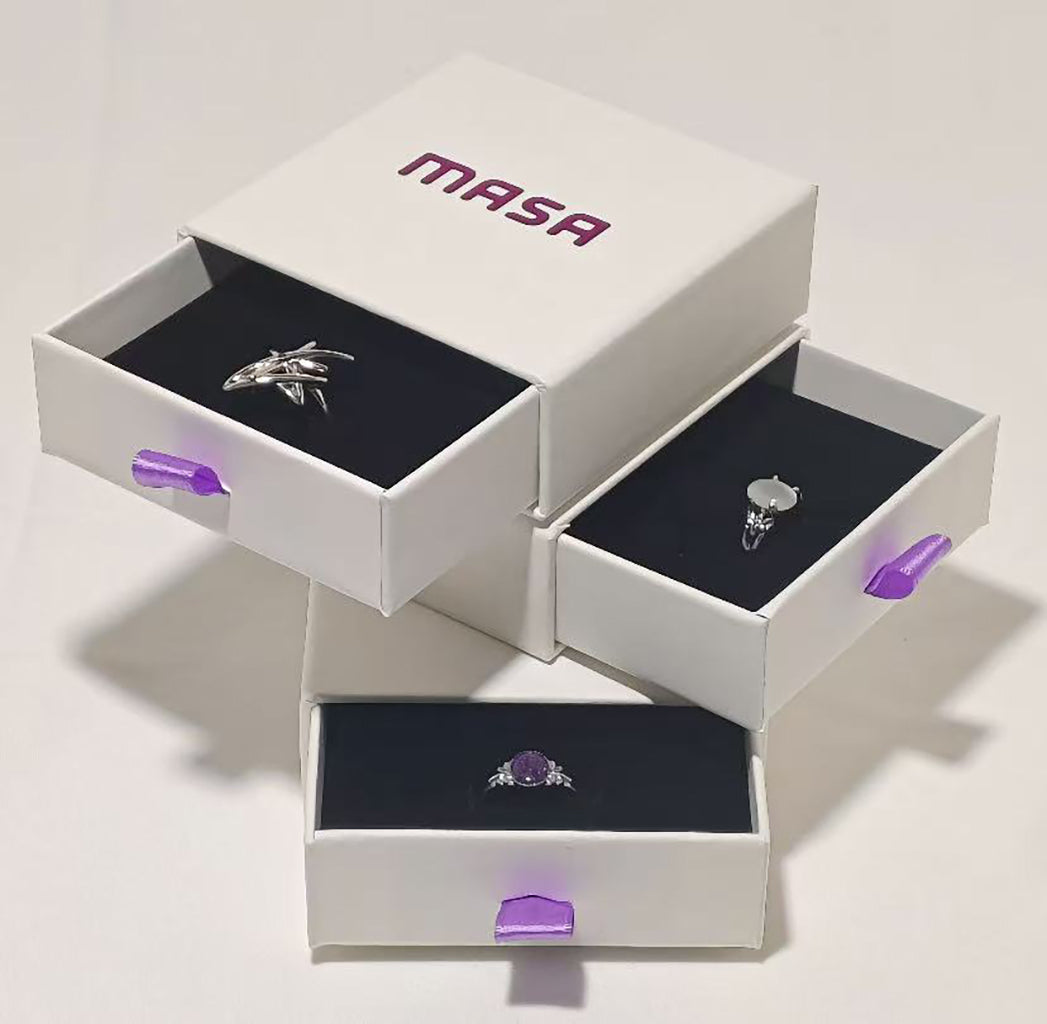

What Is the Difference Between In-Stock and Custom Packaging?
In-stock packaging uses the sizes, colors, structures, and options currently shown on a product page and can be ordered online. Custom packaging is developed and quoted after the product, dimensions, quantity, artwork, insert, destination, and presentation requirements are reviewed.
The better route depends on whether an available box already fits the product and whether the project needs a made-to-order structure or branding plan.
Quick Comparison
| Decision factor | In-stock packaging | Custom packaging |
|---|---|---|
| Size and structure | Choose from the options listed online | Developed around the reviewed specification |
| Quantity | Use the current product-page requirement | Confirmed after project review |
| Branding | Available only where the product page offers it | Artwork, placement, material, and finish are reviewed by project |
| Insert | Use the listed configuration or compatible packing materials | Planned around the product and presentation requirements |
| Ordering path | Purchase through the online product page | Request a written quote before production |
When In-Stock Packaging Is the Better Fit
Start with in-stock packaging when an available internal size, color, and opening style already work for the product. This is the direct buying path when the package does not need a new structure, custom insert, or project-specific material.
- Measure the product in its packed orientation, including tissue, filler, cards, or accessories.
- Compare those measurements with the usable dimensions and options shown on the product page.
- Review the current minimum quantity and available colors before planning artwork.
- Use logo printing only on styles that clearly offer that option.
Browse the in-stock gift box collection to compare current online options.
When Custom Packaging Is the Better Fit
Use the custom route when the package must be developed around a specific product, opening experience, insert layout, material, color, or branding requirement. A custom project begins with a brief rather than an instant product-page configuration.
- The available in-stock sizes do not provide the required internal fit.
- The project needs a fitted insert or a planned multi-item arrangement.
- Artwork placement, print method, finish, or material must be reviewed together.
- The box structure or presentation must be developed around the product.
Explore custom packaging boxes with logo and the custom rigid box collection for suitable structure directions.
How Minimum Quantities Differ
For an in-stock product, use the current quantity requirement displayed on that product page. For a custom project, the minimum is confirmed only after the structure, dimensions, materials, artwork, inserts, finishes, and delivery requirements have been reviewed. Do not assume that one minimum applies to every product or custom specification.
How Samples Fit Into the Decision
A sample may help review construction, material, finish, product fit, or artwork direction before a larger custom project. Sample scope, availability, fee, shipping, and timing must be confirmed before purchase. The custom packaging sample guide explains the correct sequence.
What to Send for a Custom Quote
Provide the product type, product dimensions, preferred box style, quantity, artwork status, insert needs, delivery country, target date, and useful reference images. The custom packaging quote checklist organizes those details into a practical brief.
Choose the Next Step
If a listed product fits, continue through its online product page. If the package requires a made-to-order specification, use the custom packaging quote form. For short answers about both routes, review the Gift Box & Custom Packaging FAQ.